
NYT Travel: Carpinteria
I spent a day hiking around Carpinteria, Calif. for a piece by Danielle Pergament for New York Times Travel last month.
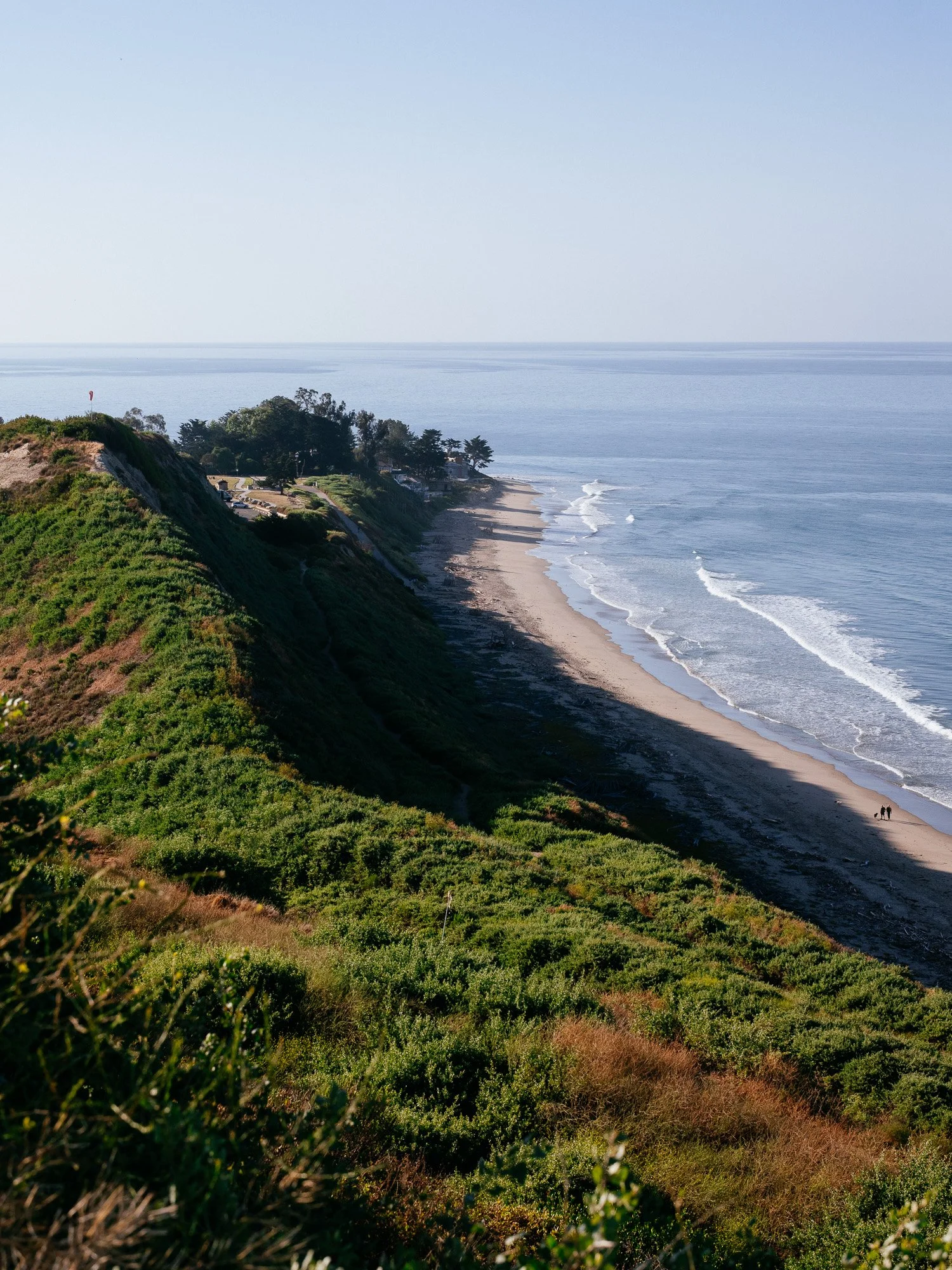
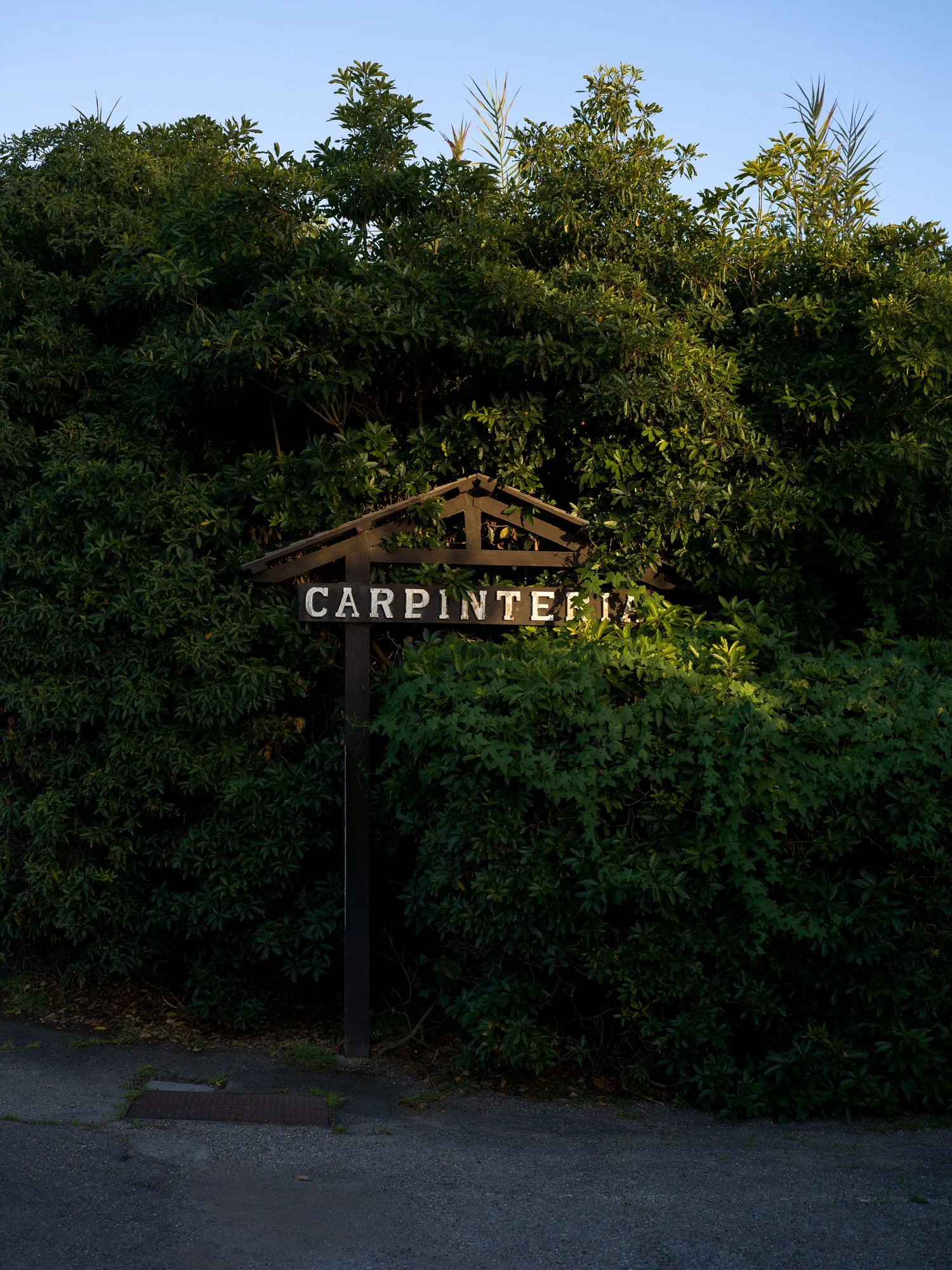
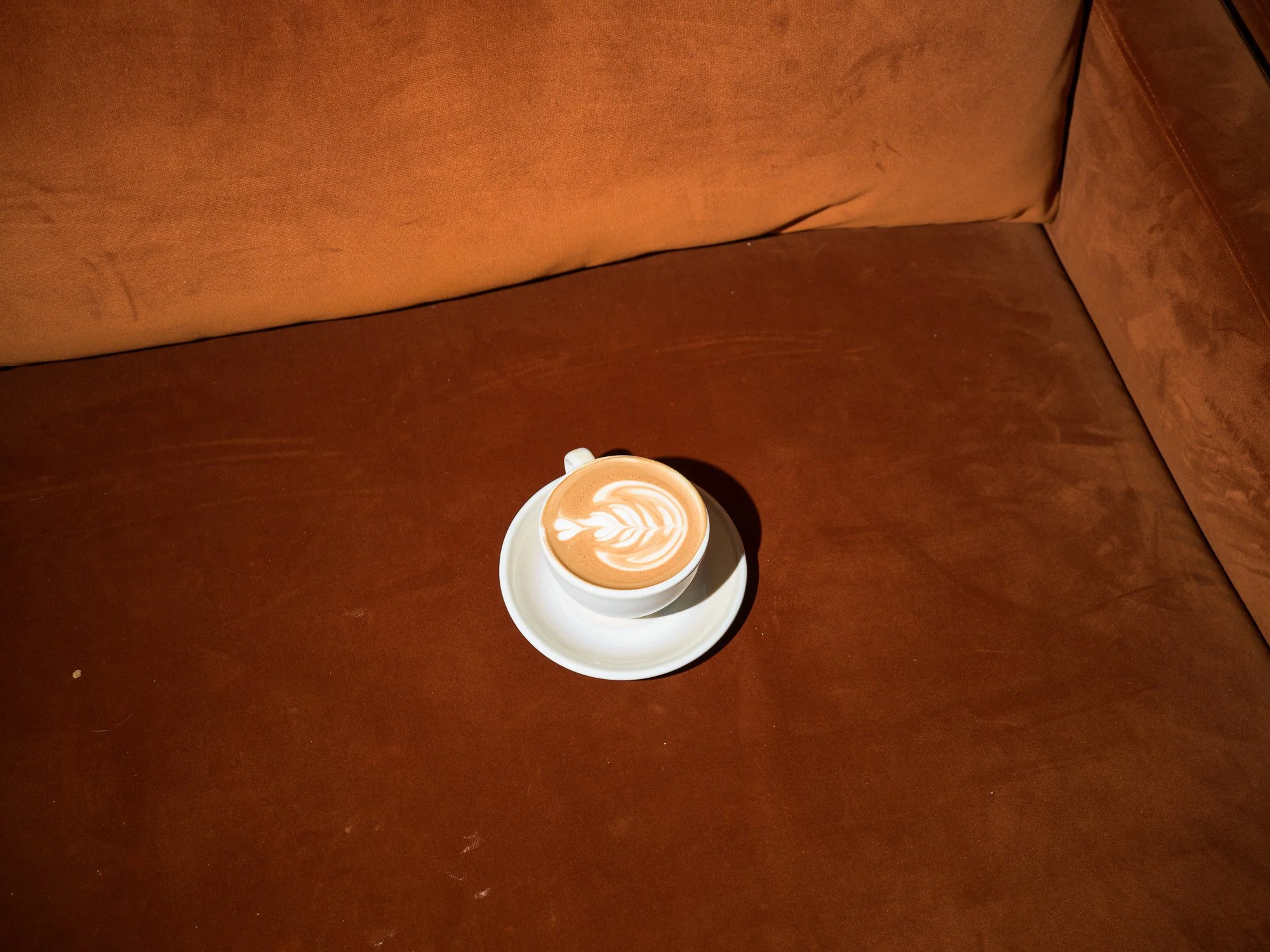
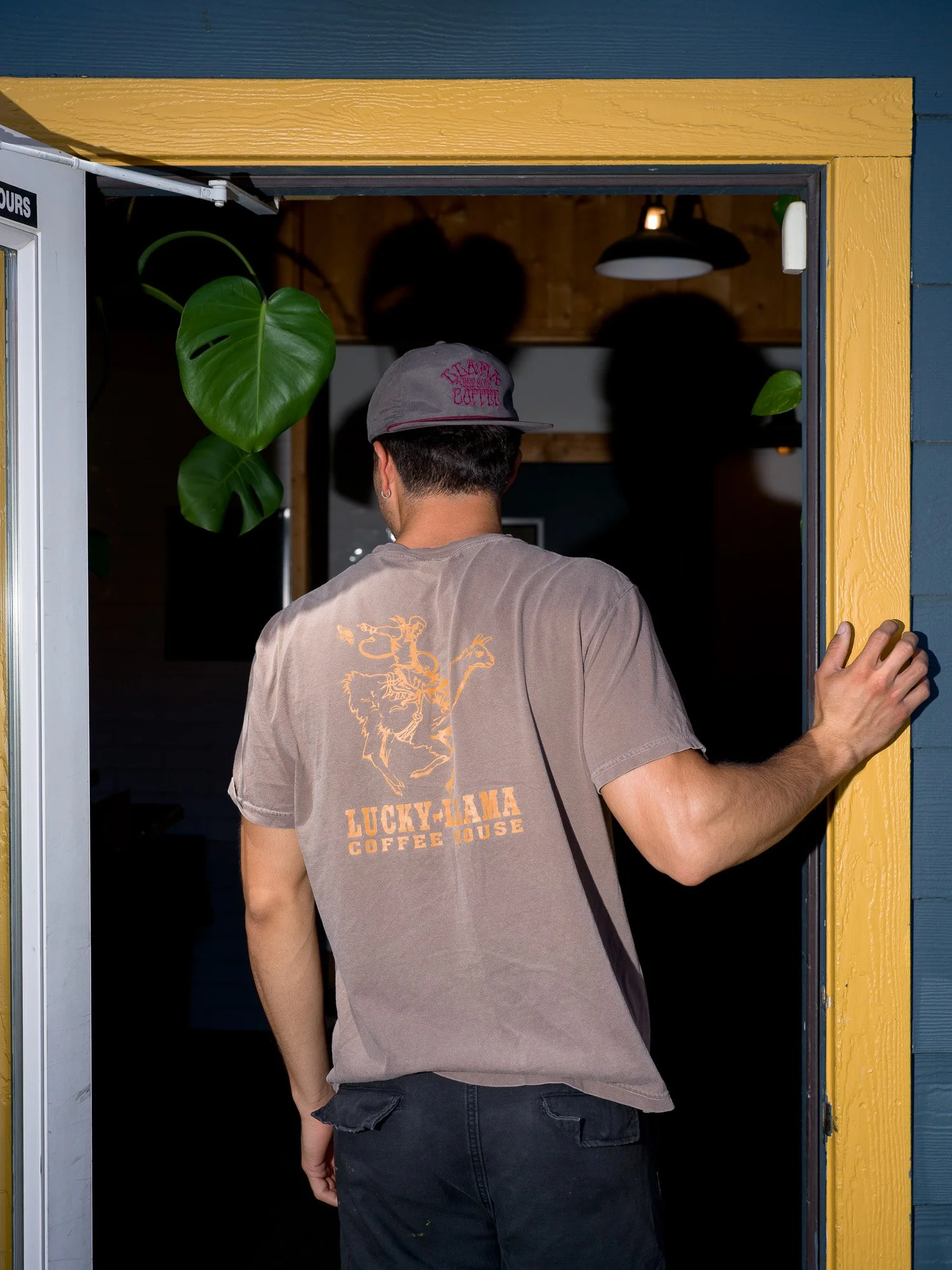
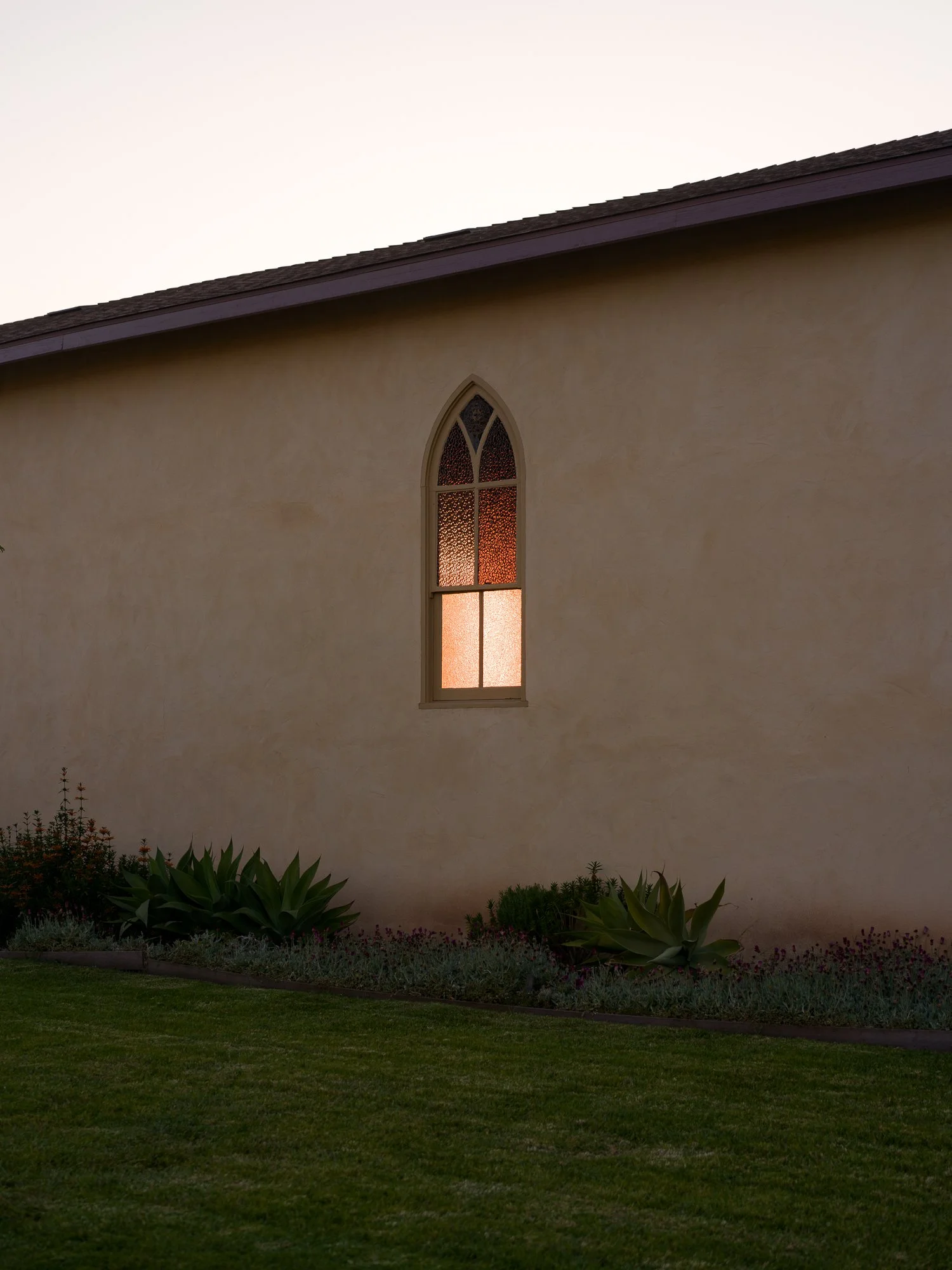
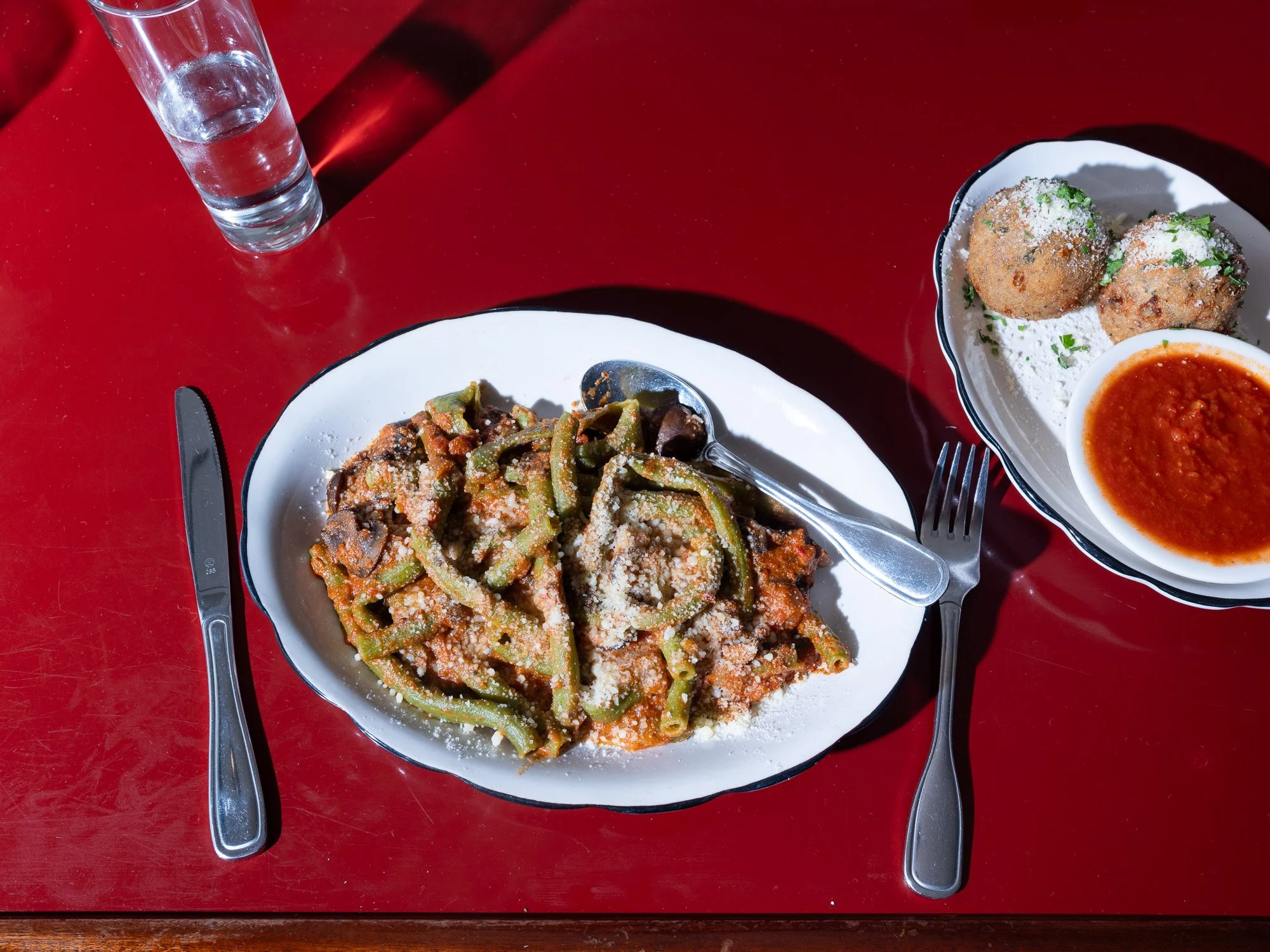
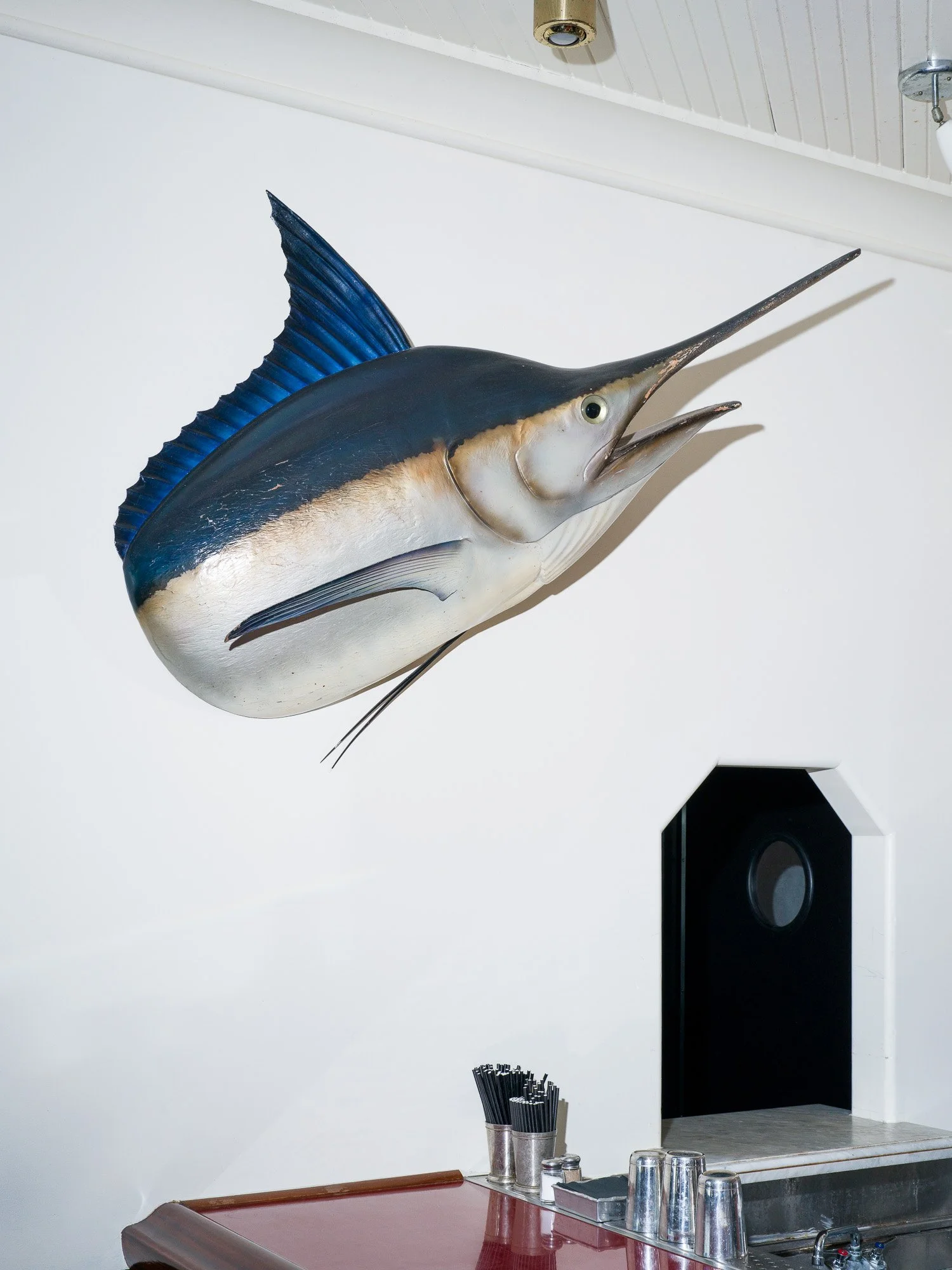
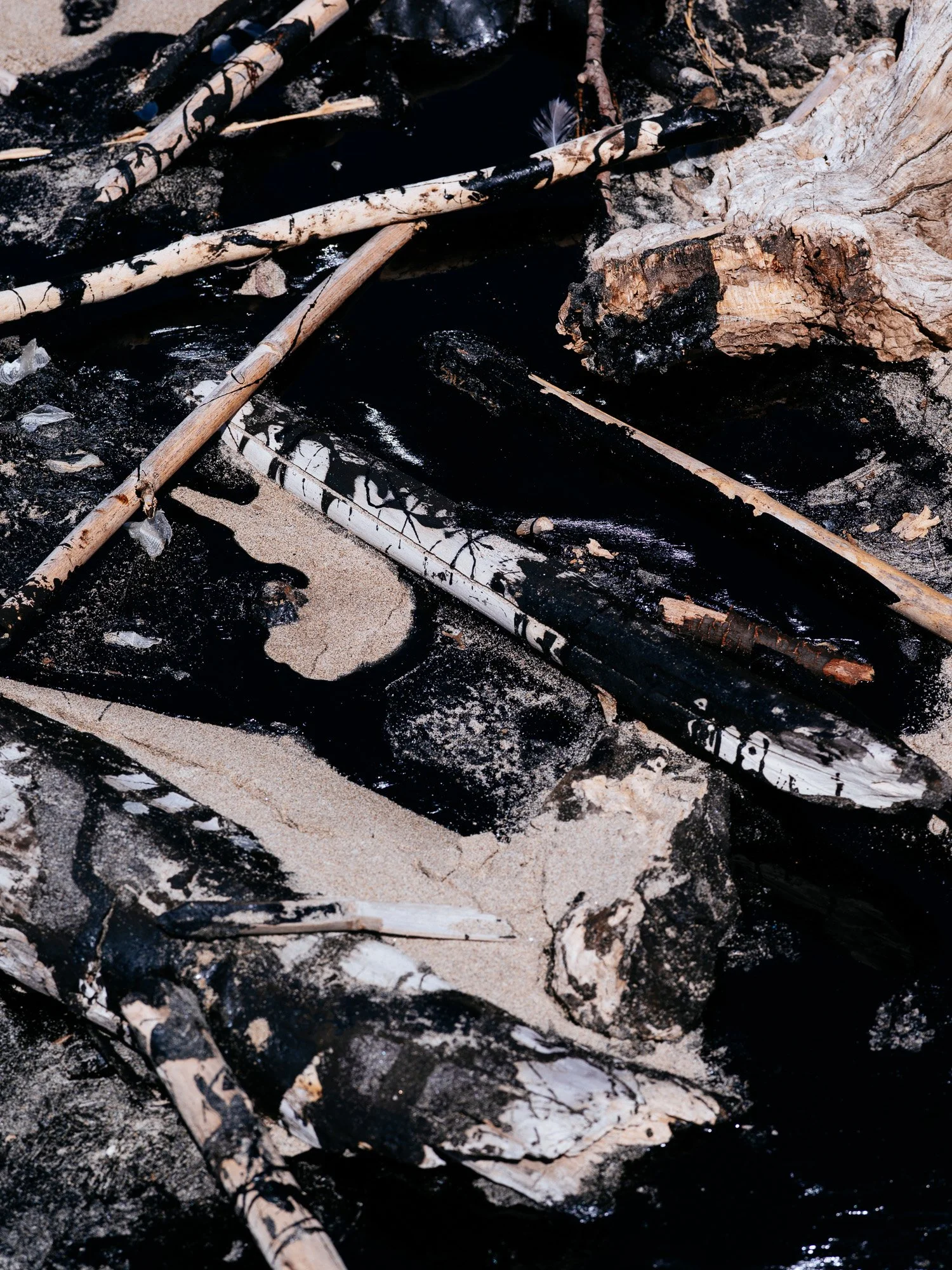
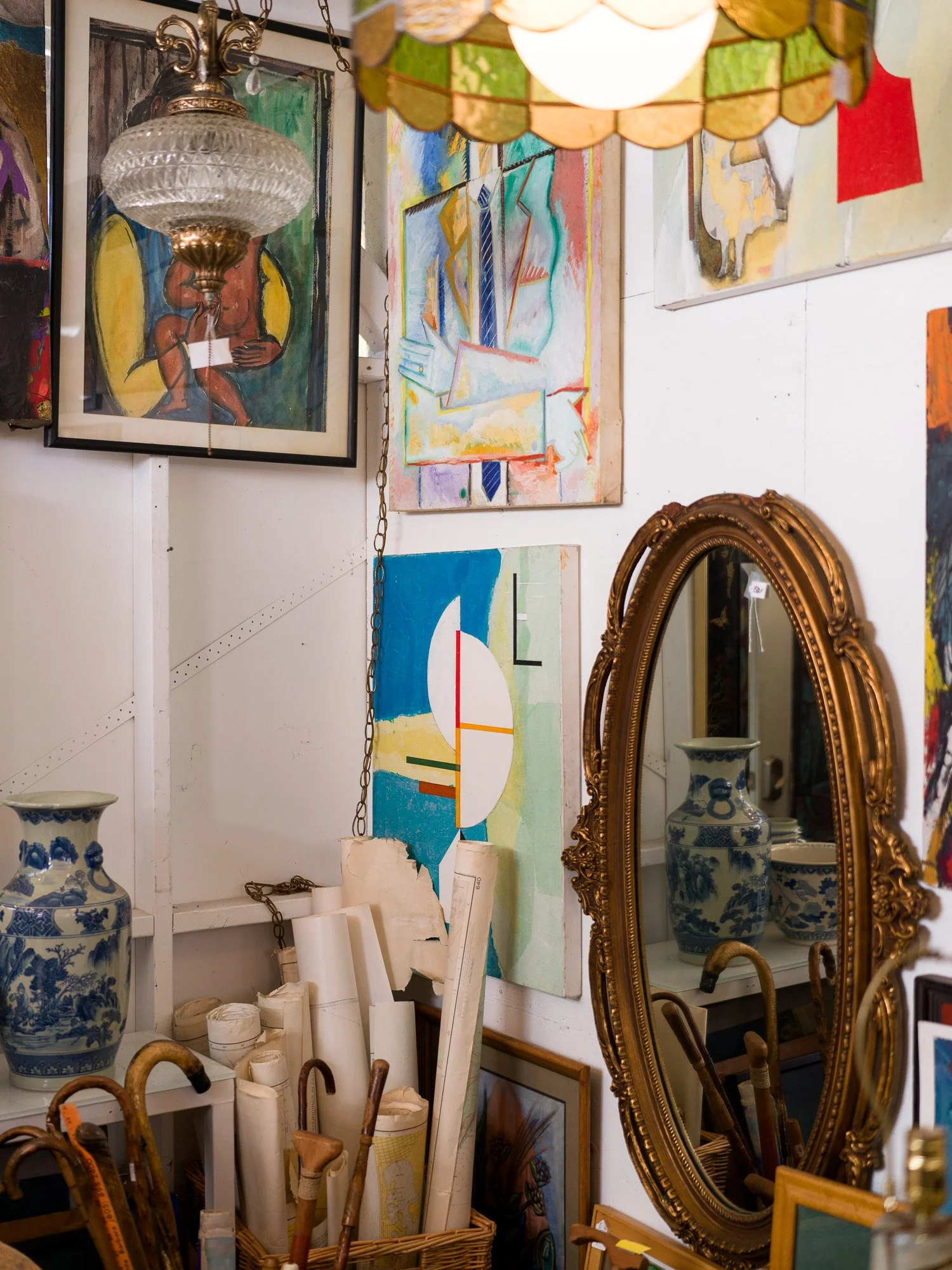
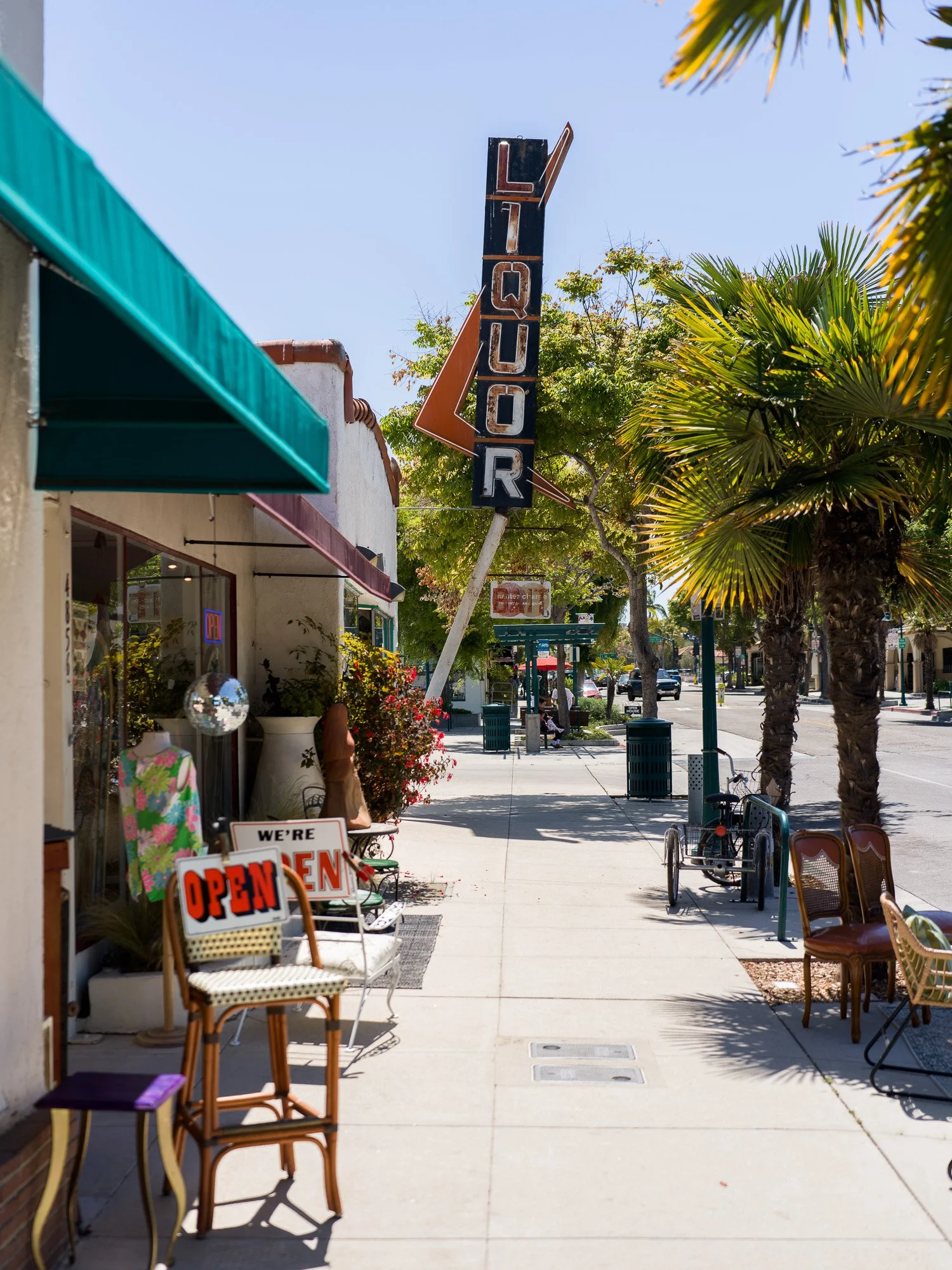
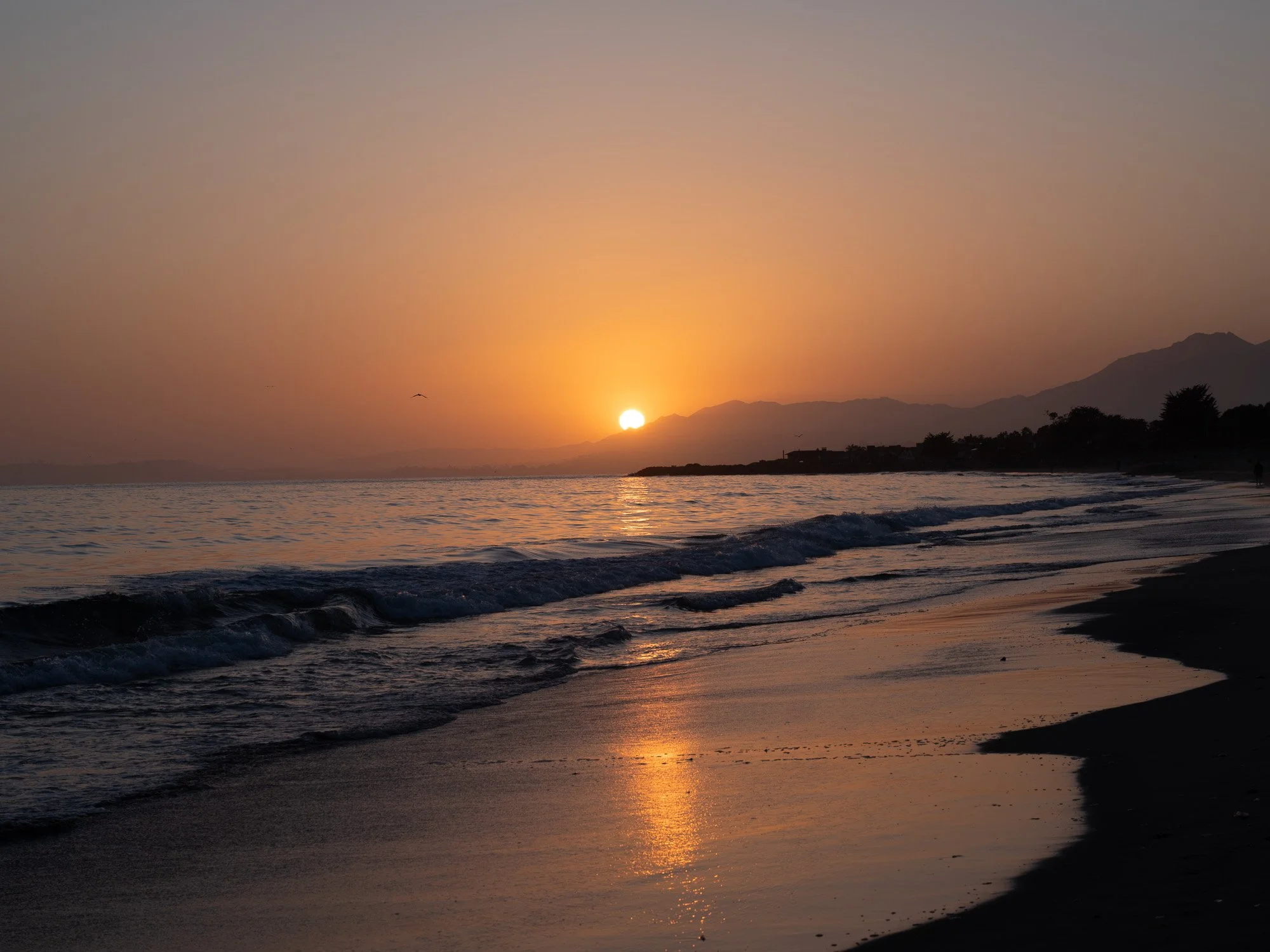

This type of travel desk piece in a publication like the NYT rarely takes into account my on-the-ground experience—the job essentially is to make imagery to illustrate a journalist’s piece. I’m often disappointed with the final product, where the fruits of a long drive, hours of schlepping gear and sweating, negotiating and shooting, followed by a long stretch of editing at my desk results in a sparse-feeling snippet rather than an evocative travelogue. Still, it’s great to be invited.
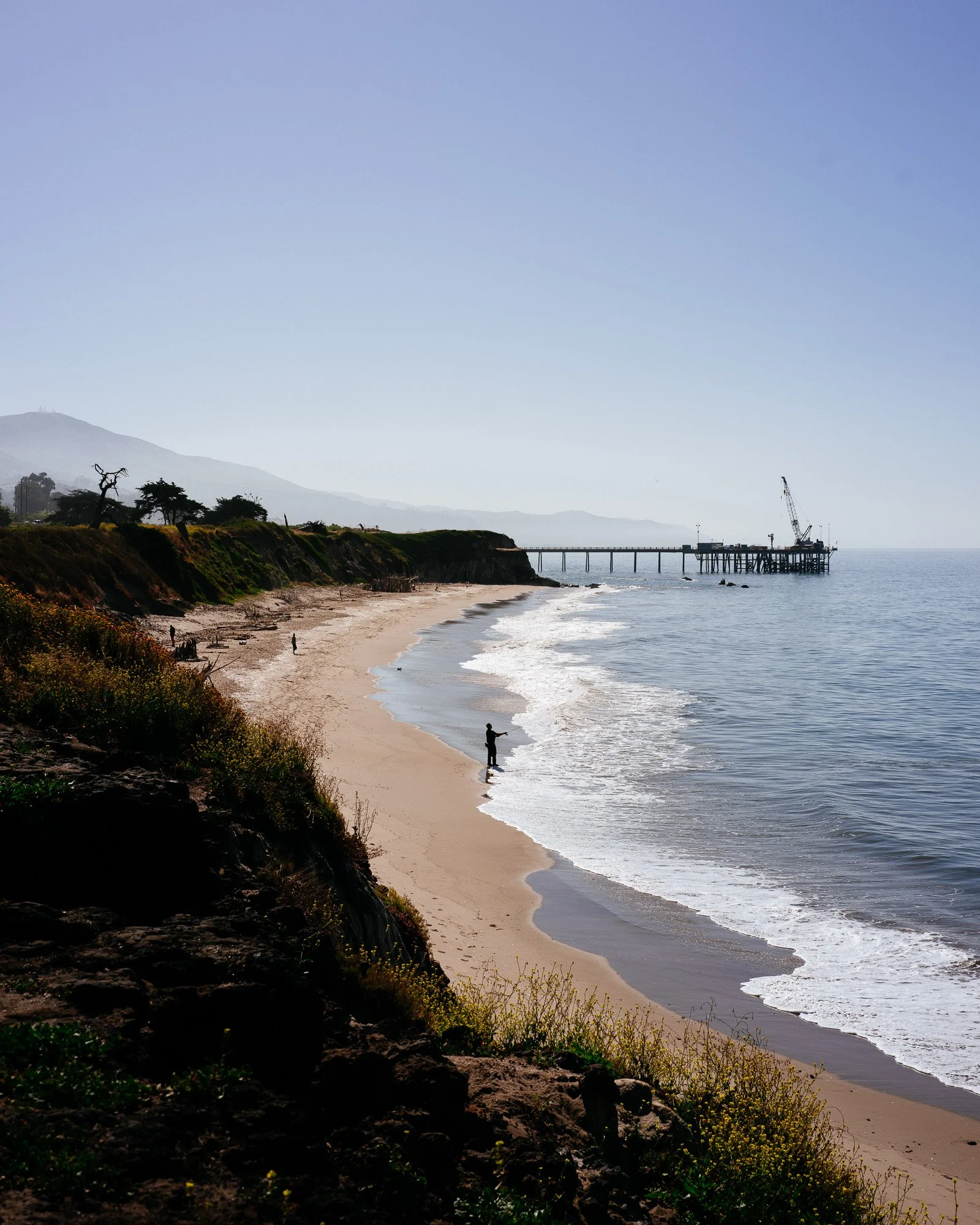
Highlights of my day in Carp included a long hike along the spine of its beachside cliff trails, and attempting in vain to photograph fresh, dripping tar under bright sunlight on the beach. The town is the site of the only active tar flow in the region aside from the far more famous La Brea Tar Pits, a few blocks from where I live. I dropped a flash gun into the sticky stuff and my overheated triggers stubbornly refused to enter high-speed sync mode, which meant I was never able to modulate the light quite right under the blazing midday sun.
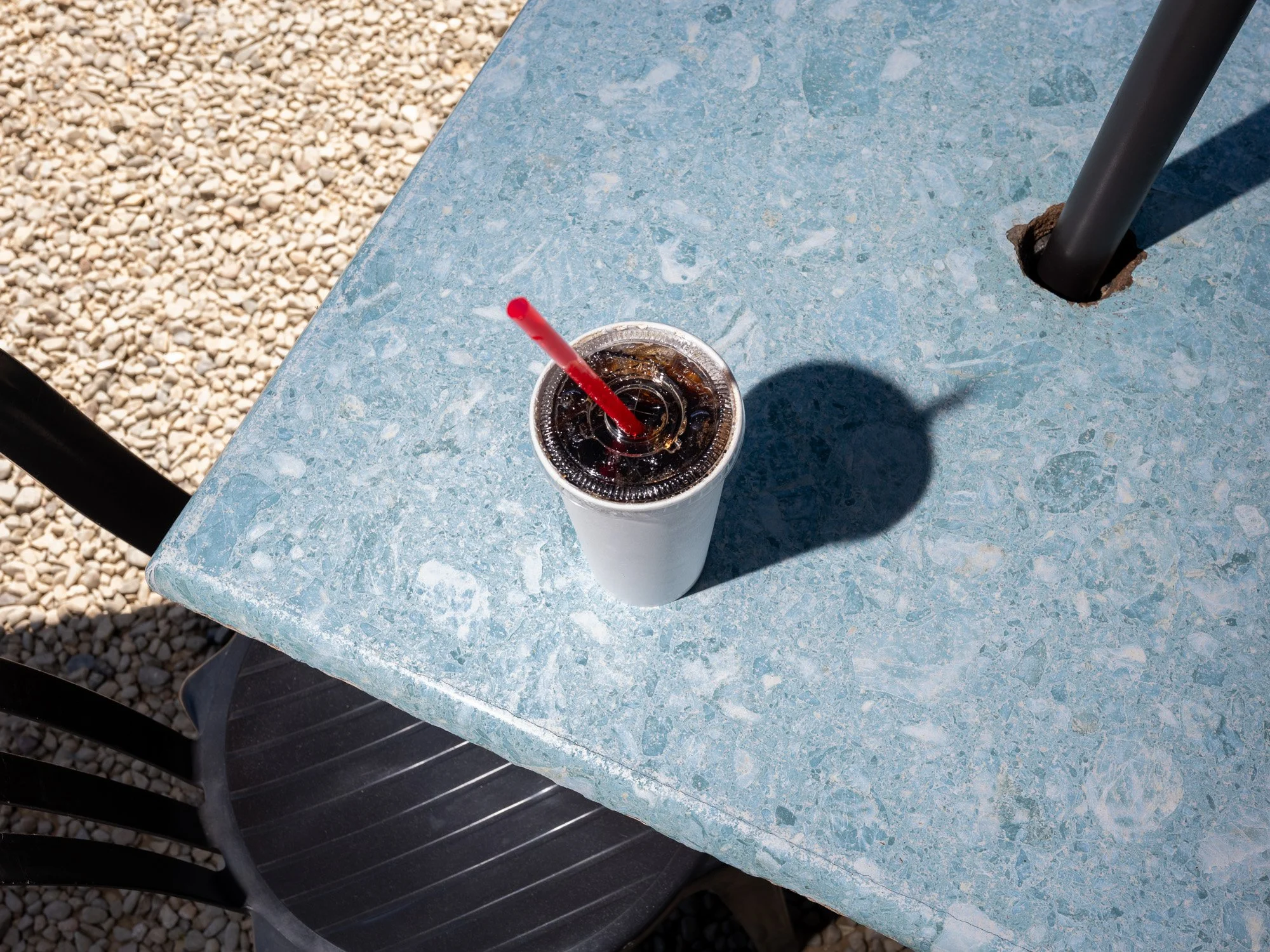
I had a couple decent cups of coffee at two local joints, plus one well-deserved icy Coke on a formica table outside The Spot, a Carpinteria institution open since 1958. Dinner was oysters and good conversation at Little Dom’s Seafood (an outpost of the Los Feliz staple Little Dom’s), where the bartenders are friendly, the seafood is fantastic and the pasta is a little past al dente. I had a rambling conversation with local antiquarians, Wayne Babcock and his wife Zelda Prune, in their shop of treasures on Carpinteria Ave. Wayne owns what might be the most incredible surfboard collection on earth, and his wife, Zelda is the author of the incredibly charming children’s book, The Tale of the Missing Blanket, illustrated by Peter Bedgood. I left with a copy, which I will treasure, new knowledge about Southern California’s incredible surf history, and a lot more love for this sleepy beach town.
I sadly missed seeing any seals at the town’s famous seal rookery, a protective enclave carved out on a stretch of beach adjacent to a Chevron-owned pier that is currently being decommissioned and remediated. The seals apparently only gather in numbers in the early morning, and I didn’t manage to find the obscure little perch from which to view them until late afternoon.
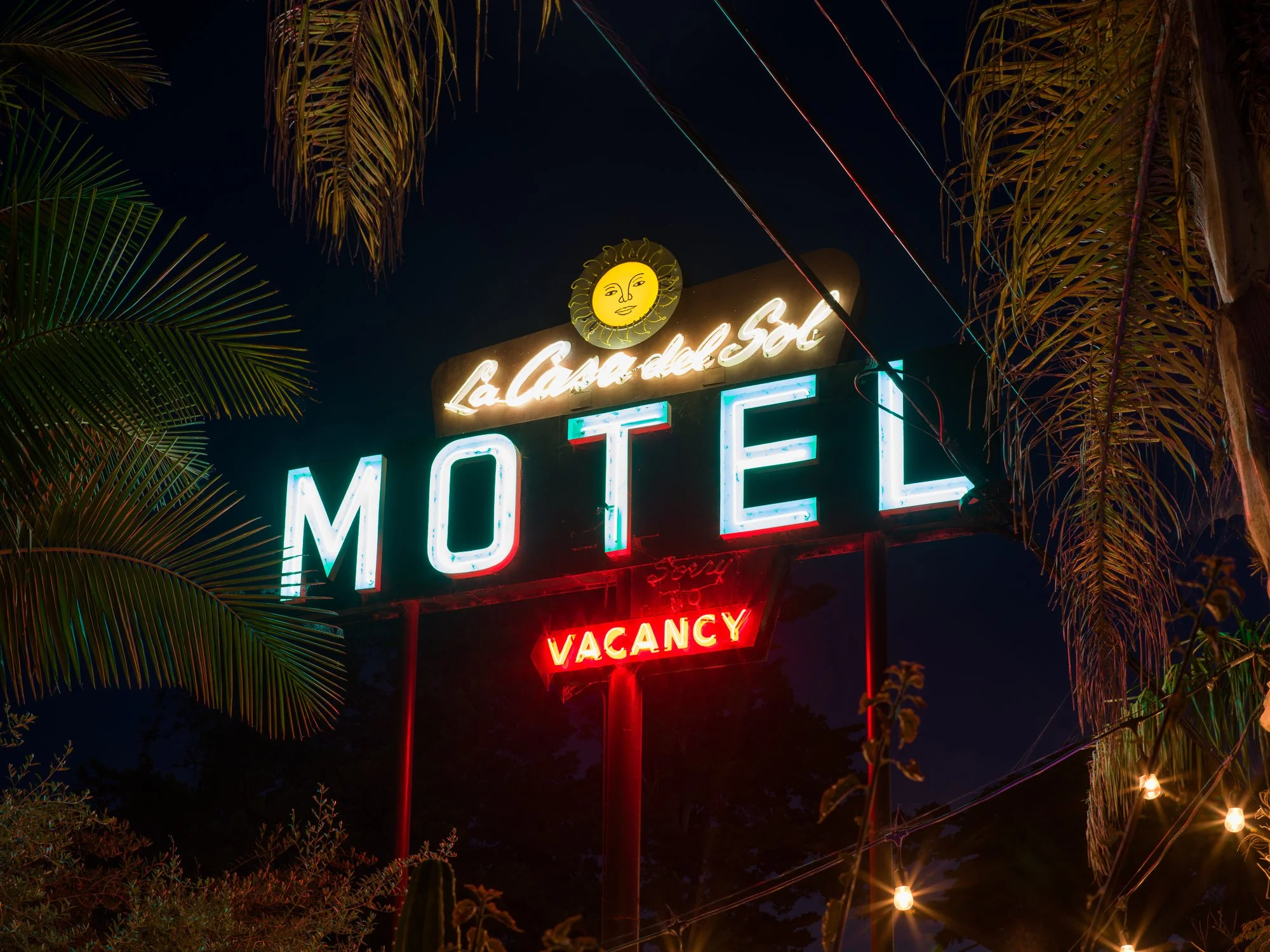
La Casa del Sol Motel
Much like everything good in America right now, Carpinteria seems to be in a state of flux, in which growth-minded interests risk killing its remaining old fashioned charm. The town’s proximity to L.A. and pleasant beaches make it ripe for the staycation crowd, and its first “boutique hotel” is currently under construction. In other words, Carp will soon see a greater influx of exactly the sort of generic lifestyle tourist that descend like locusts on just this sort of weird, wild, singular places until they’re skeletons: pretty but hollow places where NPCs pantomime some phantom branded version of the gritty culture they displaced. Along with recent media attention (like the Times piece, ironically enough), it feels like Carp is well on its way to being metabolized by the same forces that ate Flagstaff, Bend, Vail, Boulder, my own hometown of Santa Fe, and countless other famously great locales that have become capital-B Brands that seem to exist solely for the enjoyment of spendy lifestyle consumers. These post-place places all feature the same set of vaguely stylish but entirely bland establishments, fly the same performative flags in every window, and have mostly chased away the wonderful eccentrics like Wayne and Zelda that give them genuine flavor.
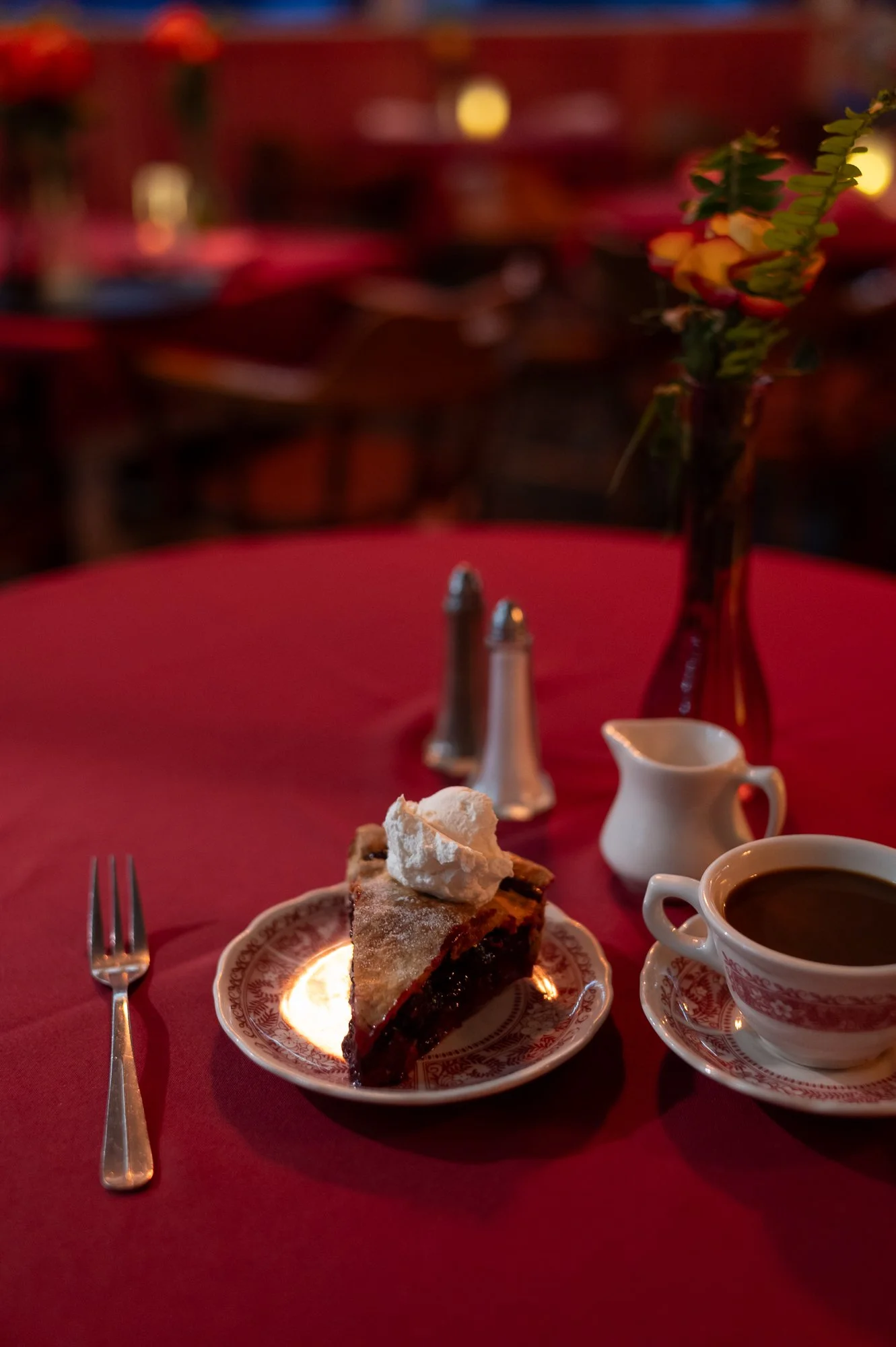
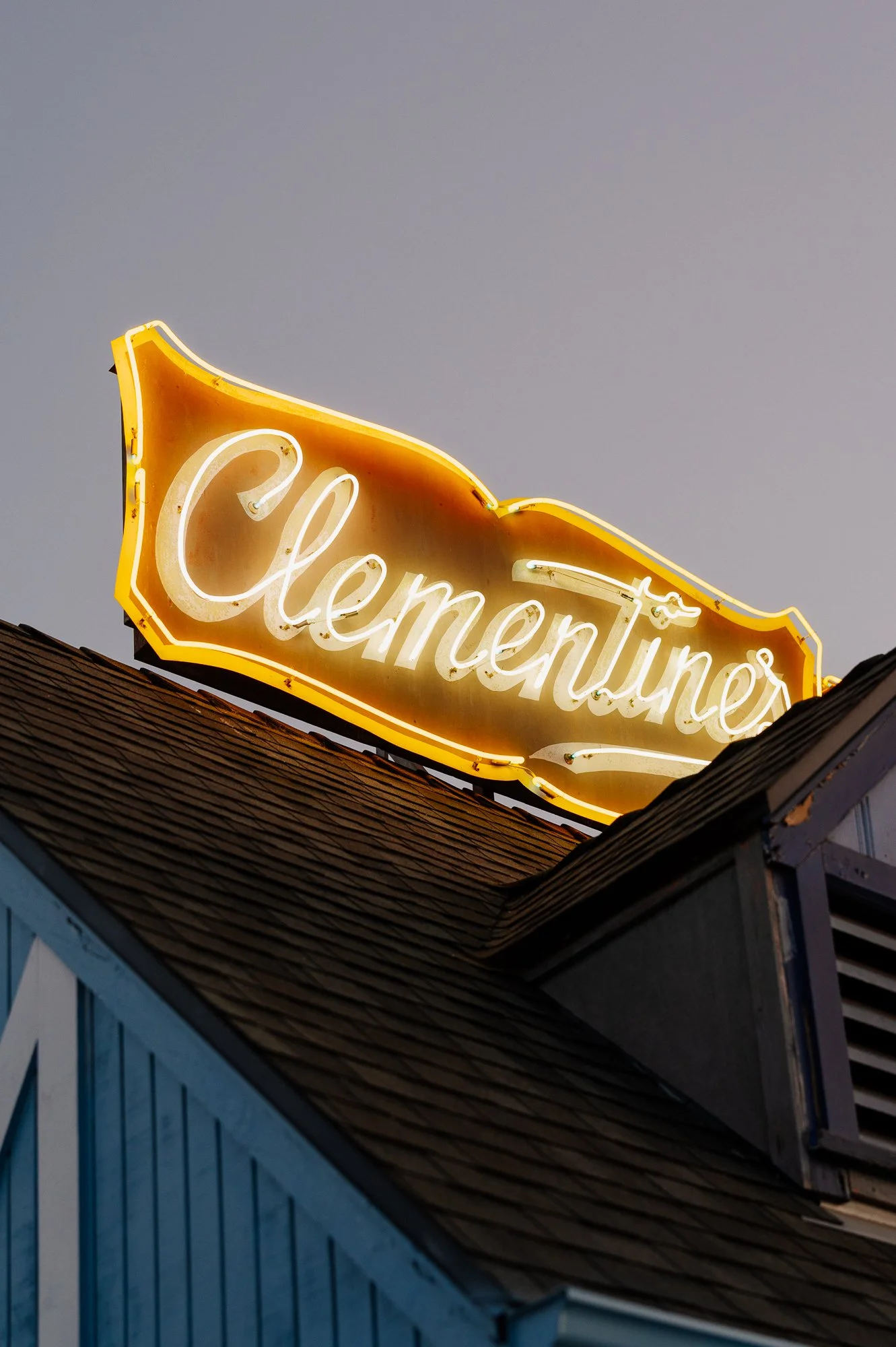
But all is not lost! Before I left town, I just had to stop for pie and coffee at Clementine’s Steak House. This restaurant was very much not on my assignment shot list for the day, but I shoehorned it in nonetheless because as a matter of principle, I will never, ever pass up a cozy totem of vernacular architecture wearing a cartoonishly large neon sign. Clementine’s prim little dining room is drenched in red carpet, red drapery and everything is served up on picture-perfect red-and-white patterned china at sturdy tables dressed handsomely in red tablecloths (obviously), each surrounded groves of those sturdy, heavy dark-stained captain’s chairs that have all but disappeared from modern restaurants.
The blackberry pie was, no exaggeration, the single best fruit pie I’ve ever eaten. It was even better than the legendary green chile apple slices at Pie-o-neer in Pie Town, N. Mex (sorry, Kathy). According to the chef and son of the owner, this time capsule is currently for sale. For Carp’s sake, I hope whoever takes the reins holds on tightly to its charm and can resist catering to the indifferent, yassified swarms who would happily see this treasure turned into a vinyl-floored, grey-walled, LED-lighted protein bowl slop joint.
If we have any chance of keeping our American soul alive, we must eat at the dim old restaurants, stay at the dusty old joints, and shop local everywhere we roam.
Reject slop, eat berry pie.
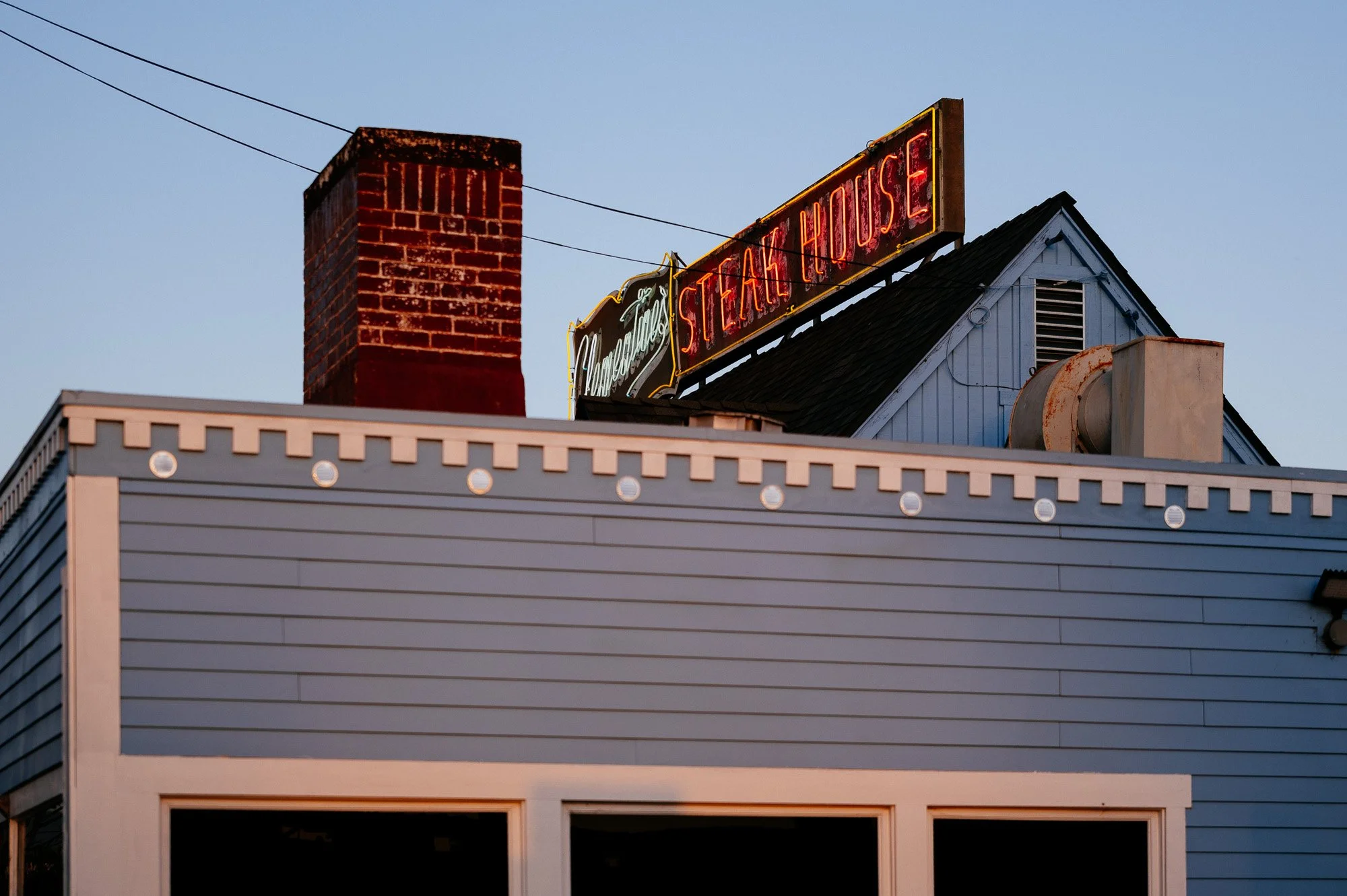
Clementine’s, just before dusk.
Kind thanks to photo editor Jessie Schwartz and NYT Travel for having me.